 Chat with us
 Download Brochure
  Mon-Sat 9.00 AM to 6.00 PM




 Send Inquiry
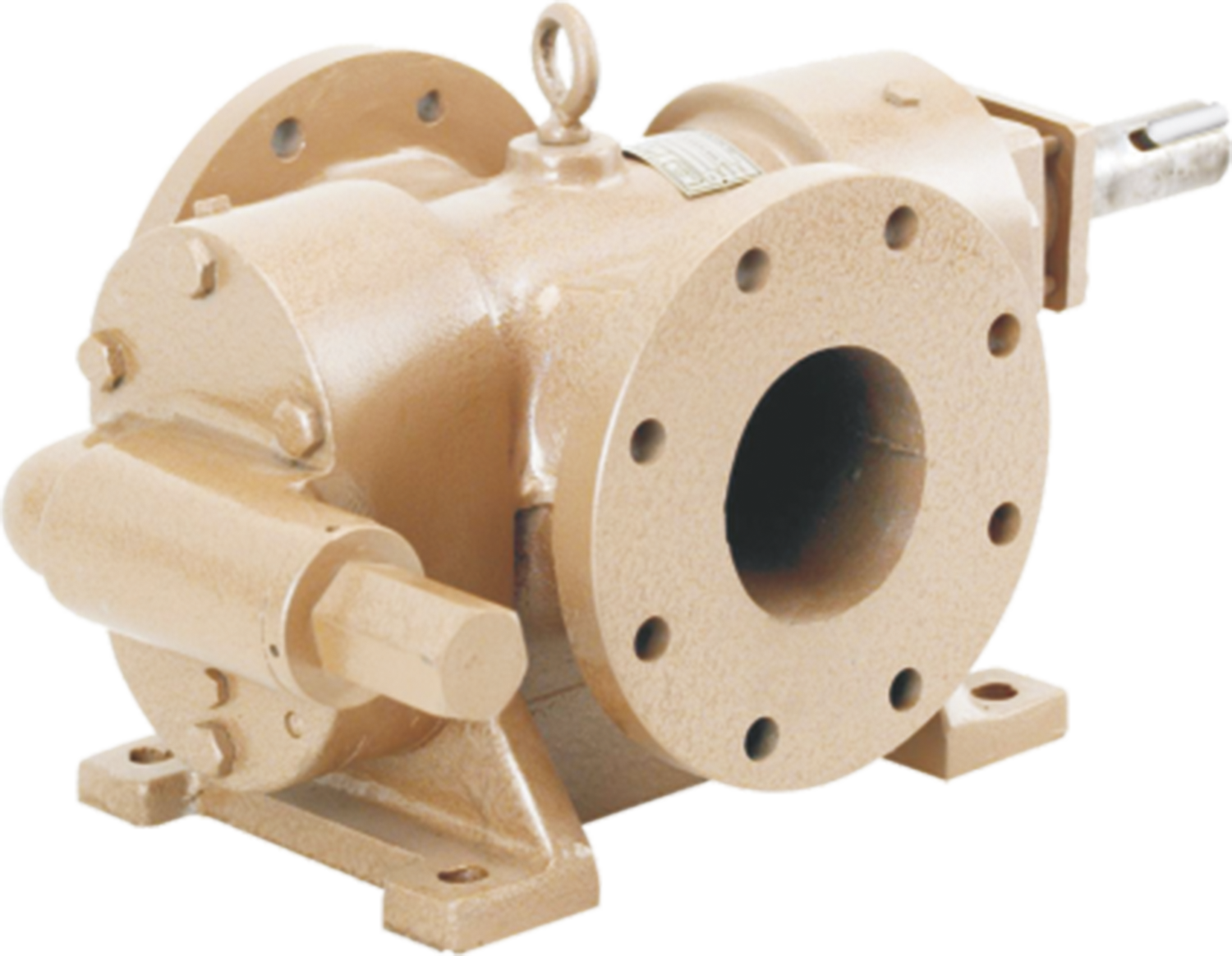
Industrial Rotary Gear Pumps
Price 24500.00 INR/ Piece
MOQ : 1 Piece
Industrial Rotary Gear Pumps Specification
- Head Size
- Up to 10 Kg/cm²
- Noise Level
- Low
- Speed
- 1440 RPM
- Frequency
- 50 Hz / 60 Hz
- Discharge Pressure
- Up to 10 Bar
- Voltage
- 230V / 415V
- Max Suction
- 5 m
- Caliber
- Standard sizes available
- Mounting Type
- Base Plate Mounted
- Control System
- Manual / Automatic
- Theory
- Rotary Positive Displacement
- Flow Rate
- Up to 800 LPH
- Material
- Cast Iron / Stainless Steel / Bronze
- Structure
- Rotary Gear Design
- Power
- 0.5 to 5 HP
- Standard
- API, IS Standards
- Fuel Type
- Suitable for Oil, Diesel, Chemicals
- Pressure
- Up to 10 Bar
- Usage
- Industrial Oils, Fuels & Chemicals Transfer
- Application
- Chemical, Petrochemical, Pharmaceutical & Oil Industries
- Suction Type
- Positive Suction
- Seals Type
- Mechanical Seal / Gland Packing
- Pump Type
- Rotary Gear Pump
- Capacity
- Up to 800 LPH
Industrial Rotary Gear Pumps Trade Information
- Minimum Order Quantity
- 1 Piece
- FOB Port
- AHMADABAD
- Payment Terms
- Western Union, Paypal, Telegraphic Transfer (T/T), Cash in Advance (CID), Cash Advance (CA)
- Supply Ability
- 50 Pieces Per Month
- Delivery Time
- 1 Week
- Sample Available
- Yes
- Sample Policy
- Contact us for information regarding our sample policy
- Packaging Details
- 3.5 % extra
- Main Domestic Market
- All India
About Industrial Rotary Gear Pumps
Provided by us is an optimum quality range of Rotary Gear Pumps to our esteemed patrons. We have a separate R&D team, which is involved in conducting research activities to produce an advanced range of pumps for the clients. The entire range of pumps is designed as well as made with the aid of our team of highly skilled professionals. Rotary Gear Pumps are widely appreciated in the market for their durability and excellent functioning.
General Information :-
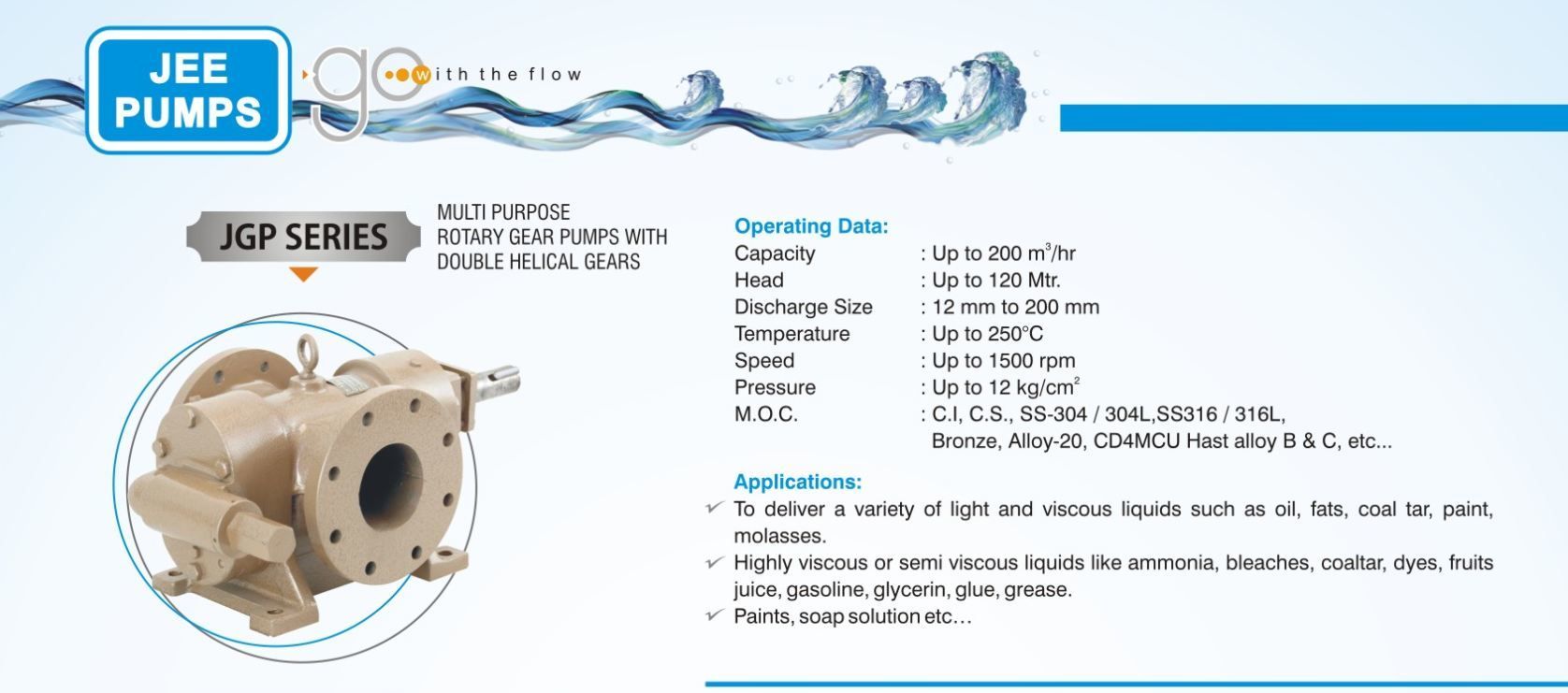
- JEE PUMPS series JGP pump are multi purpose rotary gear pumps with double helical gears are self priming pump with 5 mtr suction left compact in size
- Low noise high efficiency easy maintenance
- Longer life
- Economical
- Double helical gears to reduce axial thrust.
Applications :-
- L.D.O., Hot Grease And Tallow, F.O., Syrups, Glueplant, Thermic Fluid, Liquors, Milk, Bitumen, Resins And Pigments, Highly Viscouse Or Semi Viscouse Liquids, Soap Spary Mixturte, Soft Drinks, Tar , Glycerine, Food Industries, Kerosene, Dyes, Paper Pulp, Chemical Plants etc...
- To deliver a variety of light and viscous liquids such as coal tar, paint, molasses, oil, fats.
- Highly viscous or semi viscous liquids like ammonia, bleaches, gasoline, glycerin, glue, coaltar, dyes, fruits juice, grease, Paints, soap solution etc...
Operating Range :-
Technical Specification
Capacity - Q- Up To | 200 M3/Hr. |
TDH H - Up To | Up to 120 Mtr. |
Pump Sizes - DN | 12 mm To 200 mm |
Viscosity | 100000 CST |
Speed - N - | Max. Speed In 1440 rpm Reduction As A Function Of Viscosity |
Temperature | 250 C |
Pressure | Up to 12 kg/cm2 |
Material of Constructions :-
Cast Iron | Cast Steel ( WCB) |
Gun Metal | SS-304 |
SS-316 | Alloy- 20 |
Optional Accessories :-
- M.S. Fabricated Base Frame/Flexible Coupling/Coupling Guard/Foundation Bolt.
Efficient Fluid Transfer
Industrial Rotary Gear Pumps ensure consistent and reliable movement of oils, fuels, and chemicals. Their positive suction design enables seamless fluid handling, minimizing downtime and boosting operational efficiency in industrial settings.
Robust Build and Versatility
Manufactured from cast iron, stainless steel, or bronze, these pumps withstand harsh chemicals and demanding conditions. Offering multiple seal options and adhering to API and IS standards, they provide long-lasting performance for diverse industrial applications.
Flexible Installation and Quiet Operation
Engineered for base plate mounting, these pumps fit easily into existing setups and operate at a low noise level. The option for manual or automatic controls ensures adaptability and ease of use for different operational requirements.
FAQs of Industrial Rotary Gear Pumps:
Q: How does a rotary gear pump operate in industrial applications?
A: Rotary gear pumps utilize intermeshing gears to positively displace fluids such as oils, diesel, and chemicals, ensuring efficient and continuous transfer in industrial settings.Q: What materials are available for construction, and how do they benefit specific industries?
A: The pumps are constructed from cast iron, stainless steel, or bronze, providing durability and chemical resistance. This selection allows users to choose the optimal material for their particular fluid and operational environment.Q: Where can these pumps be installed and used within a facility?
A: These pumps are designed for base plate mounting, making them easy to install near storage tanks or process lines in chemical, petrochemical, pharmaceutical, or oil industry facilities.Q: When is it necessary to opt for a mechanical seal versus gland packing?
A: Mechanical seals are recommended for applications requiring minimal leakage and high reliability, while gland packing is suitable for less demanding cases, offering easier maintenance and lower initial cost.Q: What is the maximum suction and discharge pressure these pumps can handle?
A: They offer a maximum suction height of 5 meters and can deliver discharge pressures up to 10 Bar, making them suitable for various medium-pressure transfer tasks.Q: What benefits does low noise operation provide in an industrial environment?
A: Low noise pumps contribute to a safer and more comfortable working environment, reducing auditory fatigue and enabling easier compliance with occupational health regulations.Q: How does controlling the pump manually or automatically affect the process?
A: Manual control allows for operator oversight and customization, while automatic systems support streamlined large-scale operations, reducing labor and enhancing process consistency.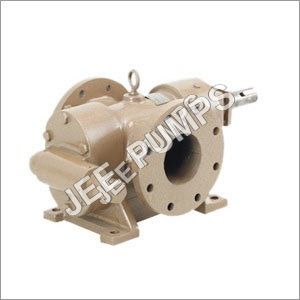
Tell us about your requirement

Price:
Quantity
Select Unit
- 50
- 100
- 200
- 250
- 500
- 1000+
Additional detail
Mobile number
Email


"We do not entertain inquiries from resellers."
Contact Us

- Plot No. L-1 & 2, Near Water Tank, G.I.D.C. Estate, Odhav, Ahmedabad - 382415, Gujarat, India
- Phone : 08045813503
JEE PUMPS LIMITED
D&B D-U-N-S Number : 67-639-0351

- Mr Prakash (Director)
- Mobile : 08045813503
- Send Inquiry
- Toll free number :1800-233-8787
 Send Inquiry
 Send Inquiry
 Send SMS
 Call Me Free
JEE PUMPS LIMITED
All Rights Reserved.(Terms of Use)
Developed and Managed by Infocom Network Private Limited.
Developed and Managed by Infocom Network Private Limited.


