 Chat with us
 Download Brochure
  Mon-Sat 9.00 AM to 6.00 PM




 Send Inquiry
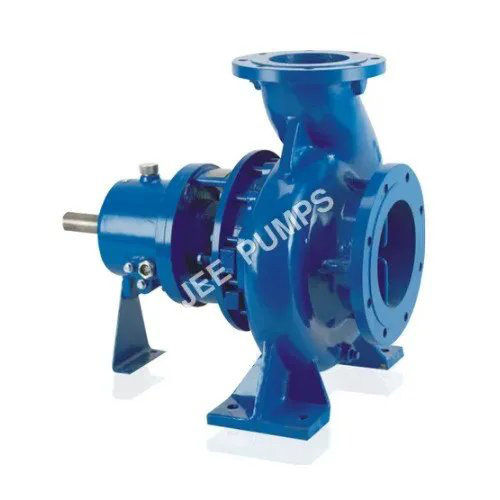
Industrial High Pressure Multistage Pumps
Price 22000.00 INR/ Set
MOQ : 01 Set
Industrial High Pressure Multistage Pumps Specification
- Flow Rate
- Up to 300 m³/hr
- Theory
- Centrifugal Pump
- Material
- Cast Iron / Stainless Steel
- Structure
- Segmental Multistage
- Suction Type
- End suction
- Volute Type
- Multi-volute
- Nozzle Location
- Top/Side
- Shaft Orientation
- Horizontal
- Power Source
- Electric
- Fuel System
- NA (Electric powered)
- Pressure
- Up to 100 bar
- Temperature
- Up to 120°C
- Inlet, Outlet Diameter
- Varies from 25 mm to 100 mm
- Speed
- 2900 rpm
- Application
- Boiler Feed, RO Plant, Water Supply, Fire Fighting, Industrial Utilities
- Voltage
- 415V, 3 phase, 50 Hz
- Coupling
- Flexible coupling
- Seal Type
- Mechanical seal / Gland packing
- Pump Efficiency
- Up to 75%
- Mounting Type
- Baseplate mounted
- Number of Stages
- Multi-stage (2-10 stages)
- Impeller Type
- Closed impeller
- Cooling Method
- Air-cooled motor
- Bearing Lubrication
- Grease / Oil
- Protection Class
- IP55
Industrial High Pressure Multistage Pumps Trade Information
- Minimum Order Quantity
- 01 Set
- Supply Ability
- 50 Sets Per Month
- Delivery Time
- 1 Week
About Industrial High Pressure Multistage Pumps
Technical Specification
Capacity | Upto 150 m3/hr |
TDH Head | Upto 350 Mtr |
Temperature | 120 deg C |
Speed (at 60 Hz) | 1750 / 3500 rpm |
Speed (at 50 Hz) | 1450 / 2900 rpm |
Pump Sizes | DN 32 Mm To 100 Mm |
Pressure | 38 Bars |
Reliable Multistage Performance for Industry
Our high pressure multistage pumps are crafted to handle the rigors of industrial demands, delivering consistent flow and pressure across critical applications. From multi-stage design to advanced protection and diverse material options, they serve efficiently in sectors like power generation, municipal water, and fire safety.
Customizable Design and Flexible Installation
Designed for maximum adaptability, these pumps feature various inlet and outlet diameters, multi-volute housing, and easy integration into existing systems. Whether mounted on a baseplate or installed with side/top nozzles, operators benefit from simplified maintenance and seamless retrofitting into their infrastructure.
FAQs of Industrial High Pressure Multistage Pumps:
Q: How are industrial high pressure multistage pumps typically used?
A: These pumps are employed in high-pressure applications such as boiler feed, reverse osmosis plants, water supply, fire fighting, and industrial utilities. Their multi-stage construction allows them to achieve effective pressure and flow control, making them ideal for demanding operations.Q: What is the benefit of using a multi-stage (210 stages) pump design?
A: A multi-stage design enables the pump to build higher pressure per unit flow by passing the fluid through several impellers. This ensures efficient energy usage and greater versatility across varying pressure requirements.Q: When should I opt for mechanical seal versus gland packing for these pumps?
A: Mechanical seals are preferred when leak-tight operation and reduced maintenance are critical, especially in applications involving hazardous or high-temperature fluids. Gland packing is suitable for lower-cost installations where minor leakage is acceptable and routine maintenance is accessible.Q: Where can these pumps be installed in an industrial facility?
A: Typically, these baseplate-mounted pumps are installed on solid foundations near fluid sources and delivery points, such as boiler rooms, water treatment stations, and fire protection systems. Their top or side nozzle configuration enhances installation flexibility.Q: What is the process for maintaining these high pressure pumps?
A: Routine maintenance involves checking the mechanical seals or gland packing, monitoring bearing lubrication (grease or oil), inspecting impellers for wear, and verifying coupling alignment. Periodic checks help ensure ongoing performance and longevity.Q: How does the protection class IP55 benefit pump operations?
A: The IP55 protection class guards the pumps motor against dust ingress and water jets, enhancing reliability in harsh industrial environments. This is crucial for minimizing downtime due to environmental exposure.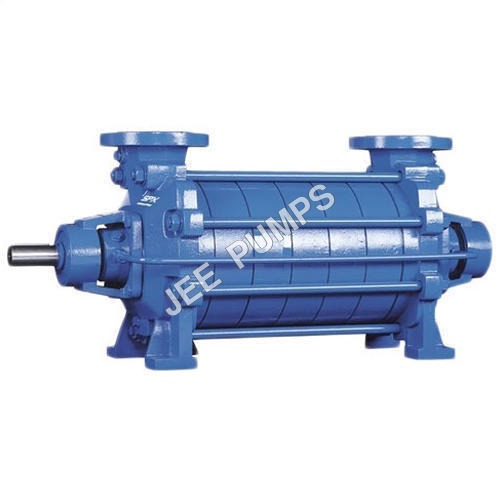
Tell us about your requirement

Price:
Quantity
Select Unit
- 50
- 100
- 200
- 250
- 500
- 1000+
Additional detail
Mobile number
Email

More Products in Industrial Centrifugal Pumps Category
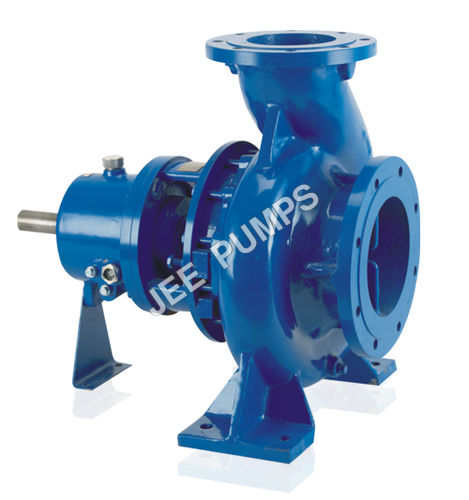
Industrial Back Pull Out Pump
Price 15000.00 INR / Set
Minimum Order Quantity : 01 Set
Material : Cast Iron/SS304/Bronze
Theory : Centrifugal Pump
Speed : 1450/2900 rpm
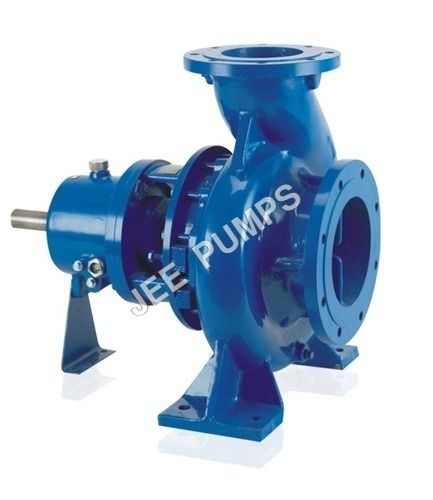
Industrial Centrifugal Chemical Pump
Price 15000.00 INR / Set
Minimum Order Quantity : 01 Set
Material : Polypropylene, Stainless Steel, Cast Iron (optional)
Theory : Centrifugal Pump
Speed : 2900 RPM
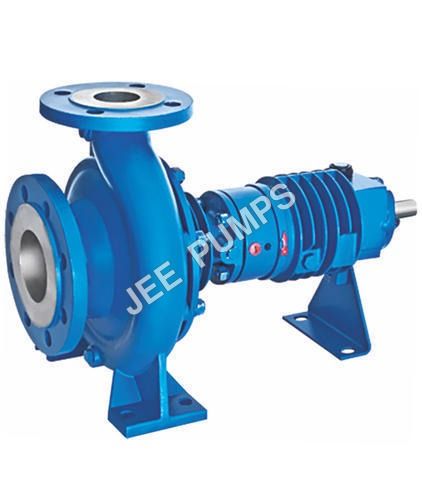
Industrial Thermal Hot Oil Centrifugal Pump
Price 65000.00 INR / Set
Minimum Order Quantity : 01 Set
Material : Cast Steel / SS304 / SS316
Theory : Centrifugal Pump
Speed : 1450/2900 RPM
Pharma Industries Pump
Price 28200 INR / Piece
Minimum Order Quantity : 1 Piece
Material : Ms
Usage : Industrial

"We do not entertain inquiries from resellers."
Contact Us

- Plot No. L-1 & 2, Near Water Tank, G.I.D.C. Estate, Odhav, Ahmedabad - 382415, Gujarat, India
- Phone : 08045813503
JEE PUMPS LIMITED
D&B D-U-N-S Number : 67-639-0351

- Mr Prakash (Director)
- Mobile : 08045813503
- Send Inquiry
- Toll free number :1800-233-8787
 Send Inquiry
 Send Inquiry
 Send SMS
 Call Me Free
JEE PUMPS LIMITED
All Rights Reserved.(Terms of Use)
Developed and Managed by Infocom Network Private Limited.
Developed and Managed by Infocom Network Private Limited.


