 Chat with us
 Download Brochure
  Mon-Sat 9.00 AM to 6.00 PM




 Send Inquiry
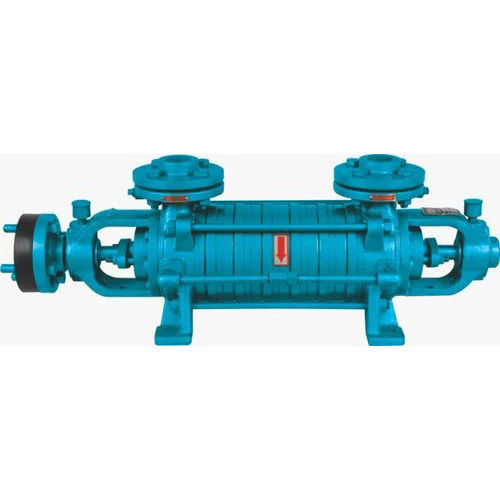
Industrial Horizontal Centrifugal Pump
Price 19000.00 INR/ Set
MOQ : 01 Set
Industrial Horizontal Centrifugal Pump Specification
- Theory
- Centrifugal Pump
- Flow Rate
- Up to 650 m³/hr
- Material
- Cast Iron, Stainless Steel, Bronze
- Structure
- Single-stage, Back Pull-out Design
- Suction Type
- Single Suction
- Volute Type
- Single Volute
- Nozzle Location
- End Suction (Horizontal) / Top Discharge
- Shaft Orientation
- Horizontal
- Power Source
- Electric Motor
- Fuel System
- Electric Driven
- Pressure
- Up to 16 Bar
- Temperature
- Up to 100°C
- Inlet, Outlet Diameter
- 40 mm to 200 mm
- Speed
- 1450 to 2900 RPM
- Application
- Industrial Process, Water Supply, Irrigation, Water Treatment, Fire Fighting
- Direction of Rotation
- Clockwise (viewed from drive end)
- Operation
- Continuous Duty
- Sealing
- Mechanical Seal or Gland Packing
- Impeller Type
- Enclosed/Closed
- Color
- Blue (Standard Paint Finish)
- Mounting Type
- Baseplate Mounted
- Bearing Type
- Heavy Duty Ball Bearing
- Maximum Solid Handling
- Up to 8 mm
Industrial Horizontal Centrifugal Pump Trade Information
- Minimum Order Quantity
- 01 Set
- Supply Ability
- 50 Sets Per Month
- Delivery Time
- 1 Week
About Industrial Horizontal Centrifugal Pump
Product Details:
| Minimum Order Quantity | 1 Piece |
| Capacity | Up to 40 m3 /hr |
| Temperature | 80 degree Celsius |
| Speed | Up to 3500 rpm |
| Size | 25 mm to 65 mm. |
| Pressure | Up to 5 Kg/cm |
| Material | C.I,C.S.,SS-304/304L SS 316/316 L ,Bronze ,Alloy-20,CD4MCU,Hast alloy B & C |
| Head | Up to 48 hrs. |
Reliable Performance for Industrial Demands
Designed for continuous operation, this centrifugal pump is ideal for various industrial settings, including water treatment facilities, fire fighting systems, and process plants. Its enclosed impeller and single-stage configuration maximize hydraulic efficiency while enabling the passage of suspended solids up to 8 mm. The heavy-duty ball bearing system and electric-driven mechanism ensure long-lasting, trouble-free use in rigorous environments.
Flexible Construction and Easy Maintenance
Available in cast iron, stainless steel, or bronze, the pump suits broad application requirements. The baseplate-mounted, back pull-out design simplifies maintenance, allowing for quick servicing of mechanical seals or gland packing without dismantling the pipework. The unit operates at a maximum pressure of up to 16 bar and a temperature range up to 100C, meeting a variety of process needs and installation layouts.
FAQs of Industrial Horizontal Centrifugal Pump:
Q: How is this horizontal centrifugal pump commonly used in industrial processes?
A: This centrifugal pump is widely deployed in applications such as industrial fluid processing, water supply systems, irrigation networks, fire fighting, and water treatment plants. Its high flow capacity, pressure handling, and ability to transfer fluids with suspended solids make it especially suitable for demanding, continuous-duty operations.Q: What are the main benefits of using a baseplate mounted, back pull-out design?
A: A baseplate-mounted, back pull-out design allows for stable installation and straightforward maintenance. Service personnel can access and remove the rotating assembly for repairs or seal replacements without dismantling the entire pump or disconnecting the systems piping, minimizing downtime.Q: When should you choose mechanical seal or gland packing for sealing?
A: The choice depends on operational conditions. Mechanical seals are preferred for minimizing leakage and handling higher pressures, while gland packing is suitable for applications where cost-effectiveness and routine maintenance are acceptable. Both options support continuous-duty operation in industrial environments.Q: Where is the suction and discharge nozzle located on this pump?
A: The pump features an end-suction (horizontal) inlet and a top discharge nozzle, making it efficient for horizontal pipework arrangements and space-saving in plant layouts. This configuration supports easy integration with existing fluid transport systems.Q: What is the maximum solid size the pump can handle and why is this important?
A: This pump can handle solid particles up to 8 mm in diameter. This capability is crucial for applications where fluids may contain suspended solids, ensuring smooth operation without clogging and reducing the need for extensive pre-filtration.Q: How does the pumps heavy-duty ball bearing system contribute to its performance?
A: Heavy-duty ball bearings support the pumps rotating shaft, promoting smooth operation at high speeds (14502900 RPM) and under continuous-duty conditions. This reduces friction, extends the equipments lifespan, and ensures stable performance, even in demanding environments.Q: What materials are available for construction, and how do you choose the right one?
A: Available materials include cast iron, stainless steel, and bronze. Cast iron is cost-effective and suitable for non-corrosive applications, stainless steel offers excellent corrosion resistance for aggressive fluids, and bronze provides durability for specific chemical environments. Selection depends on fluid properties and process requirements.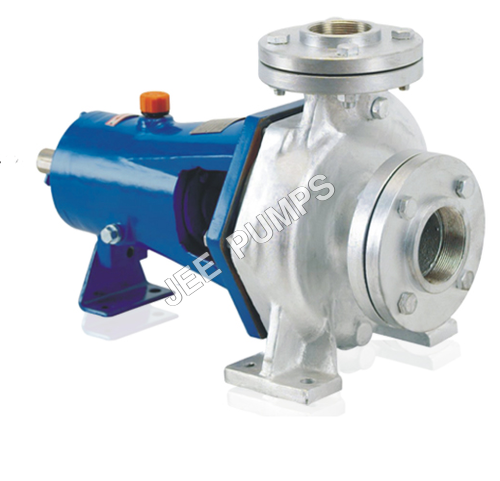
Tell us about your requirement

Price:
Quantity
Select Unit
- 50
- 100
- 200
- 250
- 500
- 1000+
Additional detail
Mobile number
Email

More Products in Industrial Centrifugal Pumps Category
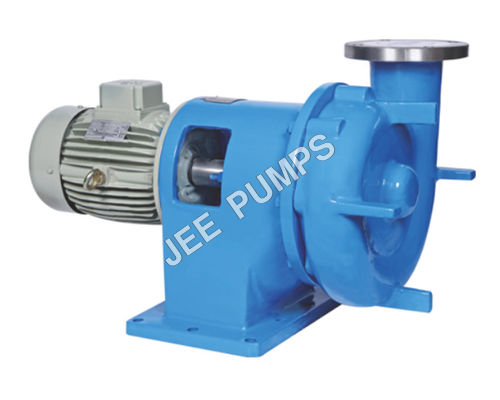
Industrial Water Separator Paper Mill Pump
Price 78000.00 INR / Set
Minimum Order Quantity : 01 Set
Material : Cast Iron / Stainless Steel
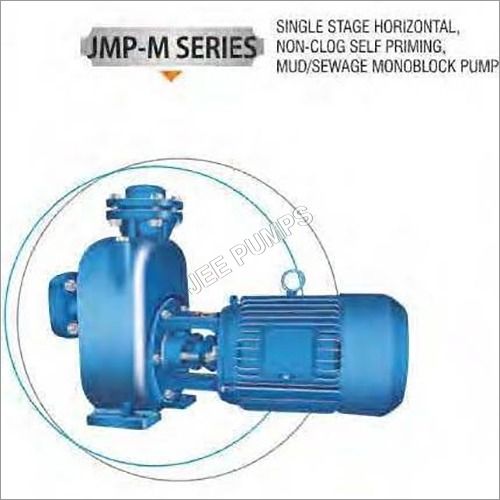
Self Priming Monoblock Pumps
Price 12000 MXN ($) / Piece
Material : Durable and corrosionresistant material
Warranty : Standard manufacturer warranty applies consult specifics
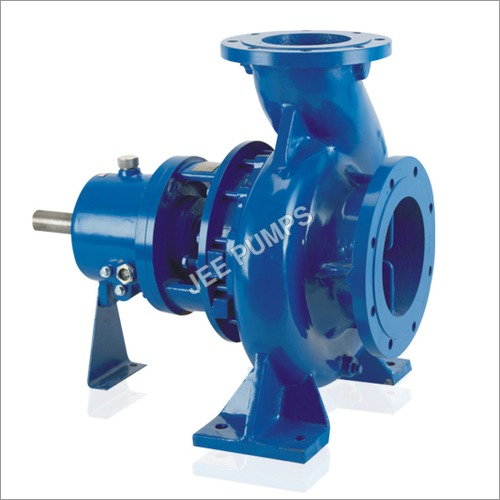
Industrial Centrifugal Pump
Price 16830 INR / Piece
Minimum Order Quantity : 1 Piece
Material : Cast Iron
Warranty : 1 Year
Size : 255 mm to 300 mm
Usage : Industrial
Boiler Feed Pump
Price 15600 INR / Piece
Minimum Order Quantity : 1 Piece
Material : Ms
Warranty : 1 Year
Size : Standard
Usage : Industrial

"We do not entertain inquiries from resellers."
Contact Us

- Plot No. L-1 & 2, Near Water Tank, G.I.D.C. Estate, Odhav, Ahmedabad - 382415, Gujarat, India
- Phone : 08045813503
JEE PUMPS LIMITED
D&B D-U-N-S Number : 67-639-0351

- Mr Prakash (Director)
- Mobile : 08045813503
- Send Inquiry
- Toll free number :1800-233-8787
 Send Inquiry
 Send Inquiry
 Send SMS
 Call Me Free
JEE PUMPS LIMITED
All Rights Reserved.(Terms of Use)
Developed and Managed by Infocom Network Private Limited.
Developed and Managed by Infocom Network Private Limited.


