 Chat with us
 Download Brochure
  Mon-Sat 9.00 AM to 6.00 PM




 Send Inquiry
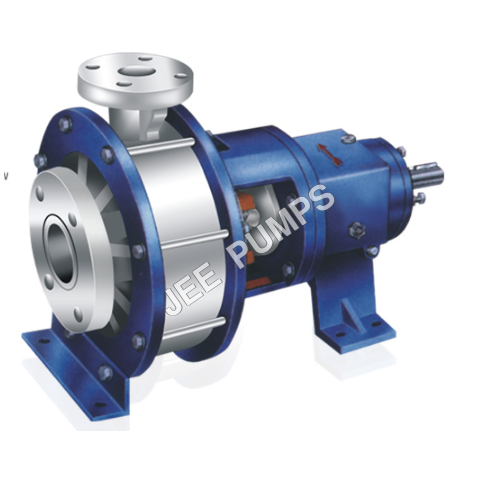
Jppl Series Corrosion Resistant Polypropylene Pumps
Price 35200 INR/ Piece
MOQ : 1 , , Piece
Jppl Series Corrosion Resistant Polypropylene Pumps Specification
- Caliber
- Varies by Model (25 mm - 100 mm)
- Frequency
- 50 Hz
- Head Size
- Up to 42 mtr
- Max Suction
- Up to 3.5 Mtr
- Features
- Non-Metallic Construction, Highly Corrosion Resistant, Easy Maintenance
- Voltage
- 220-240 V
- Flow Rate
- Up to 105 m³/hr
- Working Temperature
- Up to 80°C
- Inlet/Outlet
- 25 mm x 25 mm to 100 mm x 100 mm
- Noise Level
- Low Noise Operation (< 75 dB)
- Control System
- Manual / Automatic (Optional)
- Speed
- 2900 RPM
- Theory
- Centrifugal Pump
- Discharge Pressure
- Up to 4.2 kg/cm²
- Mounting Type
- Base Plate / Foot Mounted
- Material
- Polypropylene (PP), Corrosion Resistant
- Structure
- Single-Stage Centrifugal
- Power
- 0.5 HP to 15 HP
- Standard
- ISI Standard Compliance
- Fuel Type
- Electric Driven
- Pressure
- Up to 4.2 kg/cm²
- Usage
- Chemical Transfer, Acid Handling, Waste Water, Effluent
- Application
- Chemical Industry, Effluent Treatment, Electroplating, Pharmaceuticals
- Suction Type
- Flooded/Self Priming (Model Dependent)
- Seals Type
- Mechanical Seal (Viton/EPDM Envelope)
- Priming
- Self-priming (available for select models)
- Pump Type
- Corrosion Resistant Polypropylene Pump
- Capacity
- Up to 105 m³/hr
- Weight
- Varies as per model
- Protection Class
- IP55
- Max. Solid Handling
- up to 5 mm
- Connection Type
- Flanged
- Direction of Rotation
- Clockwise (when viewed from drive end)
- Color
- Grey / Blue
- Bearings
- Heavy-duty ball bearings
- Impeller Type
- Closed / Semi-open, Polypropylene molded
Jppl Series Corrosion Resistant Polypropylene Pumps Trade Information
- Minimum Order Quantity
- 1 , , Piece
- Supply Ability
- 1 , , Piece Per Day
- Delivery Time
- 1 Days
About Jppl Series Corrosion Resistant Polypropylene Pumps
Specification
| Capacity | Up to 300 m3/hr |
| Discharge Size | 50 mm to 100 mm |
| Material Of Construction | PP,UHMWPE |
| Pressure | Up to 6.5 kg/cm2 |
| Speed | Up to 3500 rpm |
| Temperature | Up to 80 Deg C |
| Head | Up to 65 mtr |
Industrial-Grade Corrosion Resistance
Constructed from premium molded polypropylene, Jppl Series pumps are engineered to withstand corrosive chemicals and demanding industrial fluids. The non-metallic design is ideal for handling acids, alkaline solutions, and harsh wastewater, offering dependable resistance to chemical attack, corrosion, and physical wear in a wide range of environments.
Robust Performance Features
Featuring a centrifugal design with heavy-duty ball bearings and impeller options (closed or semi-open), these pumps provide efficient solid handling up to 5 mm and can deliver high flow rates up to 105 m/hr. The IP55 protection class ensures secure operation, while the base plate or foot mounting adds installation flexibility.
Versatile and Easy Maintenance
Available in multiple configurations, the Jppl Series pumps accommodate various process requirements, from chemical transfer to effluent management. Mechanical seals in Viton or EPDM guarantee leak-proof operation, while user-friendly design allows for straightforward maintenance, minimizing downtime for industrial operations.
FAQs of Jppl Series Corrosion Resistant Polypropylene Pumps:
Q: How are Jppl Series Corrosion Resistant Polypropylene Pumps installed and operated?
A: Jppl Series pumps are base plate or foot mounted for secure installation and connect via flanged inlets/outlets. They operate on electric power (220-240 V, 50 Hz) and can be run manually or with optional automatic controls. Always ensure correct direction of rotation (clockwise when viewed from the drive end) for optimal operation.Q: What makes these pumps suitable for handling aggressive chemicals and corrosive fluids?
A: Their non-metallic polypropylene construction offers exceptional corrosion resistance against acids, alkalis, and industrial effluents, making them highly suitable for chemical transfer, electroplating, and wastewater applications. The mechanical seals (Viton/EPDM) further prevent leaks and chemical ingress.Q: Where can Jppl Series pumps be effectively utilized?
A: These pumps are widely used in the chemical industry, effluent treatment plants, electroplating facilities, and the pharmaceutical sector across India and international markets. Their durability and corrosion resistance make them ideal for various aggressive liquid transfer needs.Q: What processes can benefit from using these corrosion resistant pumps?
A: Processes involving the transfer of acids, alkalis, waste water, or other corrosive fluids will benefit significantly due to the pumps high chemical resistance and reliable solid handling up to 5 mm, along with ISI standard compliance.Q: When should self-priming or flooded suction models be considered?
A: Self-priming models are recommended when installation positions the pump above the liquid level (maximum suction up to 3.5 meters), simplifying start-up and reducing manual intervention. For applications where the liquid source is above the pump inlet, flooded suction models are adequate.Q: How easy is maintenance for the Jppl Series pumps, and what features support this?
A: Designed for easy maintenance, the pumps feature accessible mechanical seals and heavy-duty bearings. The modular structure allows quick disassembly for part replacement or cleaning, minimizing downtime during routine servicing.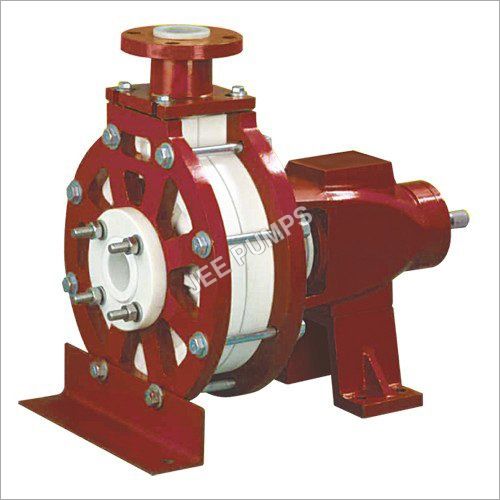
Tell us about your requirement

Price:
Quantity
Select Unit
- 50
- 100
- 200
- 250
- 500
- 1000+
Additional detail
Mobile number
Email

More Products in Industrial Polypropylene Pumps Category
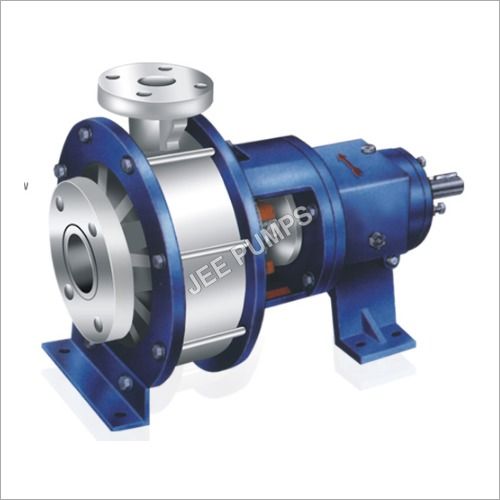
Industrial JPP Series Polypropylene Pumps
Price 22000 INR / Piece
Minimum Order Quantity : 1 , , Piece
Theory : Centrifugal Pump
Mounting Type : Base Plate Mounted
Discharge Pressure : Upto 2.8 bar
Standard : ISO 9001:2015 Certified
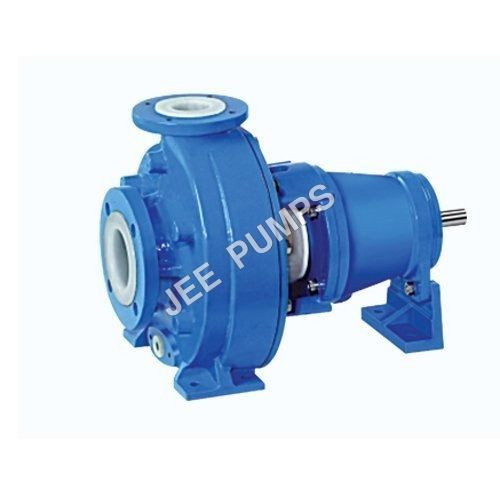
Industrial HCL Acid Pump
Price 45000.00 INR / Set
Minimum Order Quantity : 01 Set
Theory : Centrifugal Pump
Mounting Type : Base Mounted
Discharge Pressure : Up to 4 Bar
Standard : ISO 2858
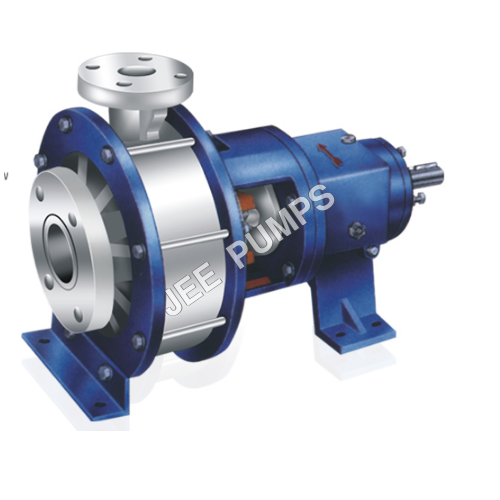
Polypropylene High Speed Process Pump
Price 22000.00 INR / Set
Minimum Order Quantity : 01 Set
Theory : Centrifugal Pump
Mounting Type : Base Plate Mounted
Discharge Pressure : Up to 4.2 kg/cm
Standard : ISI Standard
Industrial Polypropylene Process Pump
Price 22000.00 INR / Set
Minimum Order Quantity : 01 Set
Theory : Centrifugal Pump
Mounting Type : Base plate mounted
Discharge Pressure : Max 3 kg/cm
Standard : ISO 5199 / DIN 24256

"We do not entertain inquiries from resellers."
Contact Us

- Plot No. L-1 & 2, Near Water Tank, G.I.D.C. Estate, Odhav, Ahmedabad - 382415, Gujarat, India
- Phone : 08045813503
JEE PUMPS LIMITED
D&B D-U-N-S Number : 67-639-0351

- Mr Prakash (Director)
- Mobile : 08045813503
- Send Inquiry
- Toll free number :1800-233-8787
 Send Inquiry
 Send Inquiry
 Send SMS
 Call Me Free
JEE PUMPS LIMITED
All Rights Reserved.(Terms of Use)
Developed and Managed by Infocom Network Private Limited.
Developed and Managed by Infocom Network Private Limited.


