 Chat with us
 Download Brochure
  Mon-Sat 9.00 AM to 6.00 PM




 Send Inquiry
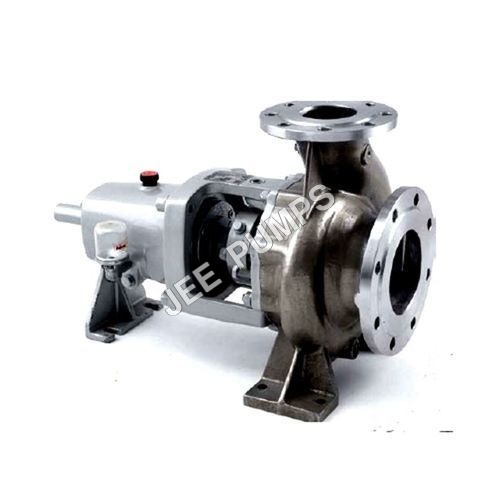
Industrial PVDF Chemical Process Pumps
Price 65000.00 INR/ Set
MOQ : 01 Set
Industrial PVDF Chemical Process Pumps Specification
- Head Size
- Up to 40 meters
- Caliber
- Various, based on model
- Working Temperature
- Up to 120°C
- Theory
- Centrifugal Pump
- Fuel Tank Capacity
- N/A (electric)
- Max Suction
- Up to 3.5 meter
- Frequency
- 50/60 Hz
- Voltage
- 220-415 V
- Flow Rate
- 3 m³/hr to 50 m³/hr
- Discharge Pressure
- Up to 6 Bar
- Mounting Type
- Baseplate mounted
- Features
- Corrosion resistant, High efficiency, Low maintenance, Leak proof
- Control System
- Available with DOL starter / Star-Delta starter
- Speed
- 2900 rpm / 1450 rpm
- Noise Level
- Less than 80 dB(A)
- Inlet/Outlet
- 25 mm/25 mm to 100 mm/100 mm
- Material
- PVDF (Polyvinylidene Fluoride)
- Structure
- Single-stage, horizontal
- Power
- 0.5 HP to 10 HP
- Standard
- ISO 2858 / ISO 5199
- Fuel Type
- Electric
- Pressure
- Max 6 Bar
- Usage
- Transfer and circulation of corrosive liquids
- Application
- Chemical Processing, Acid Transfer, Plating, Effluent Treatment
- Suction Type
- End Suction
- Seals Type
- Mechanical Seal
- Priming
- Self-priming / Non-self priming (model dependent)
- Pump Type
- Chemical Process Pump
- Capacity
- 3 m³/hr to 50 m³/hr
- Bearing Type
- Heavy-duty ball bearing
- Motor Type
- TEFC / Flameproof (optional)
- Connection Type
- Threaded or Flanged
- Protective Coating
- Chemical resistant epoxy
- Design
- Back pull-out design for easy maintenance
- Impeller Type
- Closed / Semi-open
- Flange Standard
- ANSI / DIN compatible
- Insulation Class
- F / H Class
- Weight
- Varies with model (Approx. 35 kg - 160 kg)
- Shaft Material
- SS 316 / Hastelloy (optional)
Industrial PVDF Chemical Process Pumps Trade Information
- Minimum Order Quantity
- 01 Set
- Supply Ability
- 50 Sets Per Month
- Delivery Time
- 1 Week
- Main Domestic Market
- All India
About Industrial PVDF Chemical Process Pumps
Our top grade PVDF Chemical Process Pumps are extremely reliable, there powerful engines, compact size and corrosion resistant bodies attracts customers worldwide. The reliably durable service life of these chemical process pumps manages to contribute immensely to the popularity of the same in the competitive market. The offered pumps can easily completes pumping corrosive chemicals as well as substances with ease. The PVDF Chemical Process Pumps that we offer are used in application areas in need of maintenance free and corrosion proof pumping. Globally, our pumps are acclaimed for their economical prices which are set to benefit customers at all times.
Features:
- Our top class PVDF pumps are acclaimed for having zero defects
- Our chemical process pumps are extremely efficient
- Our pumps have an impact tolerant and non-corrosive body
- Our reliable pumps are acclaimed for their robustness worldwide
Specification
| Capacity | Up to 250 m3/hr |
| Head | Up to 90 mtr |
| Temperature | Max. 120 Degree C |
| Speed | Up to 3500 rpm |
| Pressure | Up to 9 kg/cm2 |
| Material of Construction | PVDF |
| Discharge Size | 25 mm to 100 mm |
Advanced Corrosion Resistance
Constructed from PVDF and coated with chemical-resistant epoxy, these process pumps are tailored for environments where aggressive chemicals are present. Their robust design safeguards against corrosion and extends pump longevity, making them ideal for continuous industrial usage in chemical plants and wastewater treatment facilities.
Flexible Design and Easy Maintenance
The pumps feature a back pull-out design, facilitating quick dismantling and reassembly without disturbing piping. This allows for reduced downtime during maintenance or inspection. Their compatibility with both threaded and flanged connections makes installation flexible for various system requirements.
Efficient Operation and Safety
With motor options including TEFC and flameproof configurations, insulation classes F and H, and standards adhering to ISO 2858/5199, these pumps prioritize safety and efficiency. They offer quiet operation (below 80 dB(A)), leak-proof mechanical seals, and are available with user-friendly control systems like DOL and Star-Delta starters.
FAQs of Industrial PVDF Chemical Process Pumps:
Q: How do I choose the right Industrial PVDF Chemical Process Pump for my application?
A: Selecting the appropriate pump involves considering your required flow rate, discharge head, inlet/outlet dimensions, chemical compatibility, pressure, and working temperature. The model should match the properties of your process fluid and anticipated duty cycle. Consulting with the manufacturer or supplier is advised for the best fit.Q: What are the benefits of the back pull-out design featured in these pumps?
A: The back pull-out design enables easy maintenance by allowing you to inspect or replace components without disconnecting the pump from the piping. This minimizes downtime and labor costs, providing efficient access for servicing.Q: Where can these pumps be used?
A: These pumps are suitable for chemical processing plants, acid transfer systems, plating and surface treatment units, and effluent treatment plants. They are commonly utilized in industrial settings across India where handling of corrosive and hazardous liquids is required.Q: What makes PVDF material ideal for chemical process pumps?
A: PVDF (Polyvinylidene Fluoride) offers excellent resistance to a wide range of aggressive chemicals and high temperatures (up to 120C). Its non-reactive nature and durability ensure the pump remains reliable even in harsh industrial environments.Q: How does the pump maintain leak-proof operation during use?
A: Leak-proof performance is achieved through precision mechanical seals that prevent fluid escape under pressure. The pumps structure and epoxy protective coating further enhance containment and resist external corrosive factors.Q: What is involved in the process of installing and starting up these pumps?
A: Installation includes mounting the pump on a baseplate, connecting it to the system with threaded or flanged fittings, integrating the chosen control system (DOL or Star-Delta starter), and ensuring appropriate voltage supply. Detailed start-up procedures are provided in the manufacturers manual.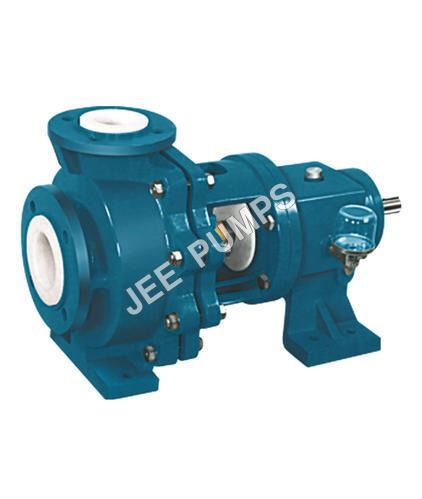
Tell us about your requirement

Price:
Quantity
Select Unit
- 50
- 100
- 200
- 250
- 500
- 1000+
Additional detail
Mobile number
Email

More Products in Industrial Chemical Pumps Category
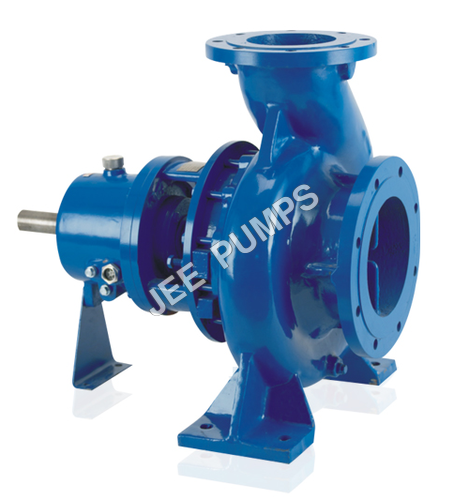
Industrial Centrifugal Chemical Process Pump
Price 15000.00 INR / Set
Minimum Order Quantity : 01 Set
Max Suction : 7 Meters
Working Temperature : Up to 120C
Theory : Centrifugal Pump
Pump Type : Other, Centrifugal Chemical Process Pump
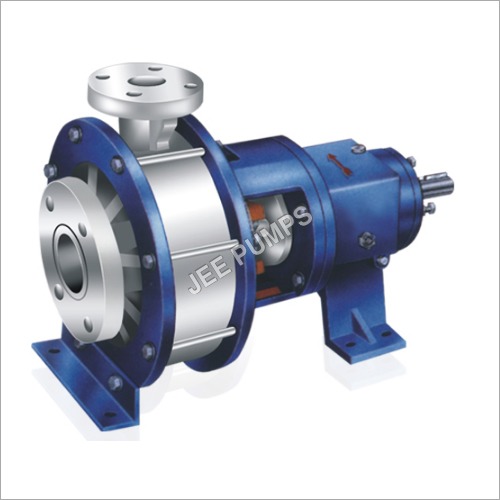
Industrial Effluent Handling Pump
Price 9500.00 INR / Set
Minimum Order Quantity : 01 Set
Max Suction : 7 m
Working Temperature : Up to 85C
Theory : Other, Centrifugal Pump Theory
Pump Type : Other, Centrifugal
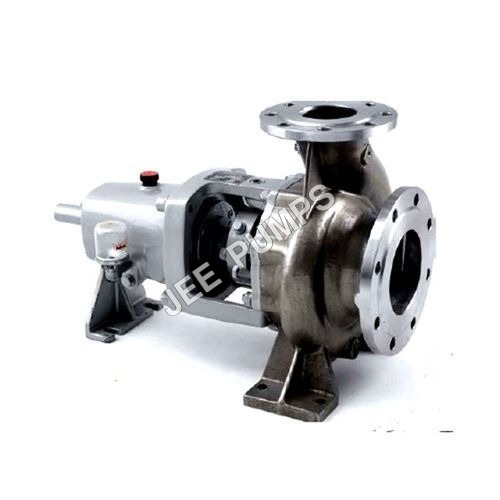
Industrial Color Pump
Price 19500.00 INR / Set
Minimum Order Quantity : 19500 Sets
Max Suction : 8 m
Working Temperature : Up to 80C
Theory : Centrifugal Pump
Pump Type : Other, Color Pump
Industrial Chemical Pump
Price 19500.00 INR / Set
Minimum Order Quantity : 01 Set
Max Suction : 7 m
Working Temperature : 20C to 80C
Theory : Centrifugal Pump
Pump Type : Other, Chemical Centrifugal Pump

"We do not entertain inquiries from resellers."
Contact Us

- Plot No. L-1 & 2, Near Water Tank, G.I.D.C. Estate, Odhav, Ahmedabad - 382415, Gujarat, India
- Phone : 08045813503
JEE PUMPS LIMITED
D&B D-U-N-S Number : 67-639-0351

- Mr Prakash (Director)
- Mobile : 08045813503
- Send Inquiry
- Toll free number :1800-233-8787
 Send Inquiry
 Send Inquiry
 Send SMS
 Call Me Free
JEE PUMPS LIMITED
All Rights Reserved.(Terms of Use)
Developed and Managed by Infocom Network Private Limited.
Developed and Managed by Infocom Network Private Limited.


