 Chat with us
 Download Brochure
  Mon-Sat 9.00 AM to 6.00 PM




 Send Inquiry
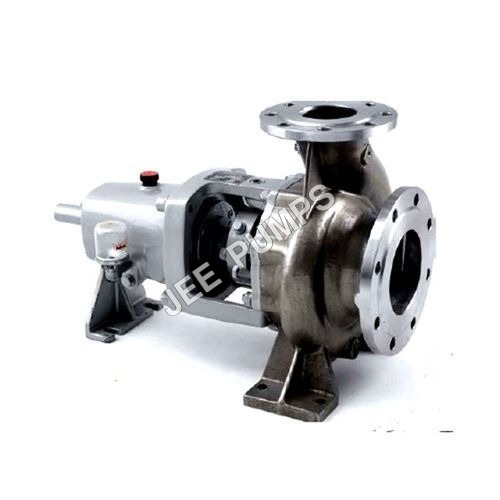
Industrial Rotary Gear Pump
MOQ : 01 Set
Industrial Rotary Gear Pump Specification
- Flow Rate
- 10 LPM to 500 LPM
- Inlet/Outlet
- 1 to 4 BSP (Customizable)
- Frequency
- 50 Hz / 60 Hz
- Control System
- Manual/Automatic
- Discharge Pressure
- Max 10 Kg/cm
- Head Size
- Up to 100 meters
- Max Suction
- Up to 5 meters
- Features
- Heavy duty, Leak proof, Smooth operation
- Caliber
- 25 mm to 100 mm
- Mounting Type
- Base Plate Mounted
- Voltage
- 220V / 380V
- Noise Level
- 78 dB
- Theory
- Rotary Gear Pump
- Speed
- 1440 RPM / 2880 RPM
- Working Temperature
- -10C to +120C
- Material
- Cast Iron (CI), Stainless Steel (SS), Bronze
- Structure
- Horizontal, Foot Mounted
- Power
- 0.5 HP to 15 HP
- Standard
- IS Standards
- Fuel Type
- Electric
- Pressure
- Up to 10 bar
- Usage
- Industrial fluid transfer, Oil & Viscous liquid pumping
- Application
- Oil, Viscous Liquids, Chemicals, Food Grade Liquids
- Suction Type
- Positive Displacement
- Seals Type
- Mechanical Seal
- Priming
- Self Priming
- Pump Type
- Rotary Gear Pump
- Capacity
- Up to 30 m/h
- Viscosity Range
- Up to 1,00,000 cst
- Maintenance
- Easy to maintain
- Rotation Direction
- Clockwise or Counterclockwise
- Shaft Material
- High-grade Alloy Steel
- Bearings
- Heavy Duty
- Coupling
- Direct / V-belt Drive
- Body Finish
- Painted or Powder Coated
- Location of Port
- Side Suction, Top Discharge
Industrial Rotary Gear Pump Trade Information
- Minimum Order Quantity
- 01 Set
- Supply Ability
- 50 Sets Per Month
- Delivery Time
- 1 Week
About Industrial Rotary Gear Pump
Our offered Rotary Gear Pump is a type of positive displacement pump that has a rotor and a gear for generating the flow of fluids. This pump finds its usage in the chemical plants and all other application areas, where work is based on semi liquids and viscous fluids. We offer pump that is widely appreciated for its seamless finishing and rigid construction. Apart from this, it is the excellent suction quality and deliberation capacity of this pump that make it the best product to buy. The mentioned Rotary Gear Pump is available in the market not only because of its aforesaid products but budget friendly price.
Features
- Ideal choice for all kinds of petroleum products and other oils.
- From ceramic industry to food industry and pharmaceutical industry, it is used everywhere.
- Known for low leakage path and lower noise operations.
- Shows high resistance against corrosion.
Specification
| Capacity | Upto 50m3/hr |
| Head | Upto 100 mtrs |
| Size | 12 mm to 100 mm |
| Temperature | 250 deg C |
| Speed | Up to 1500 rpm |
| Pressure | Up to 12 Kg/cm2 |
Versatility for Multiple Industrial Applications
This rotary gear pump serves a broad spectrum of industries, including oil and chemical processing, food-grade liquid transfer, and viscous fluid pumping. Its customizable features (inlets/outlets, material construction, coupling options) allow adaptation to exact operational requirements. With side suction and top discharge, the pump is both compact and efficient, supporting base plate mounting for stability. Whether you need high flow rates or moderate head sizes, this pump excels in delivering dependable performance.
Engineered for Reliability and Easy Maintenance
Constructed with a focus on robust engineering, the pumps high-grade alloy steel shaft, heavy-duty bearings, and durable finishes (painted or powder coated) ensure long-lasting service. The system boasts leak-proof mechanical seals and a positive displacement mechanism, offering smooth, consistent operation. Designed for quick servicing, it reduces downtime and supports minimal maintenance efforts, making it an ideal choice for demanding industrial environments.
FAQs of Industrial Rotary Gear Pump:
Q: How do I select the right model of rotary gear pump for my industrial application?
A: Selection depends on your required flow rate (10 LPM to 500 LPM), head size (up to 100 meters), viscosity of fluids (up to 100,000 cst), and inlet/outlet needs (1 to 4 BSP). Consideration of material (cast iron, stainless steel, or bronze), desired coupling type, and voltage (220V/380V) will ensure suitability for your specific industry and media.Q: What is the process for maintaining this rotary gear pump?
A: Routine maintenance involves periodic inspection of bearings, seals, and alignment of the shaft, as well as checking for wear and tear in moving parts. Its design makes it easy to access internal components, minimizing downtime during servicing. Always follow the manufacturers maintenance schedule for optimal longevity.Q: When should I use this rotary gear pump in my operation?
A: This pump is ideal when you need efficient transfer of oils, chemicals, or viscous liquids in industrial settings, especially when operations require high viscosity handling, self-priming capabilities, and both manual and automatic control options. Its suitable for working temperatures from -10C to +120C.Q: Where can this pump be installed within an industrial setup?
A: The pumps horizontal, foot-mounted structure with base plate mounting permits installation near tanks or process lines. Side suction and top discharge configuration make it compatible with limited-space environments or integrated systems in factories and plants.Q: What are the main benefits of using this rotary gear pump?
A: Key advantages include heavy-duty, leak-proof construction, smooth and reliable operation even with challenging fluids, easy maintenance, and adaptability to various voltages and standards. Its quiet performance ( 78 dB) and robust build support long-term efficiency.Q: How does the self-priming and positive displacement feature enhance operation?
A: Self-priming eliminates the need for manual priming, speeding up startup and minimizing risks of airlock, while positive displacement ensures steady flow rates even with viscous or fluctuating fluid conditions, crucial for precise industrial processes.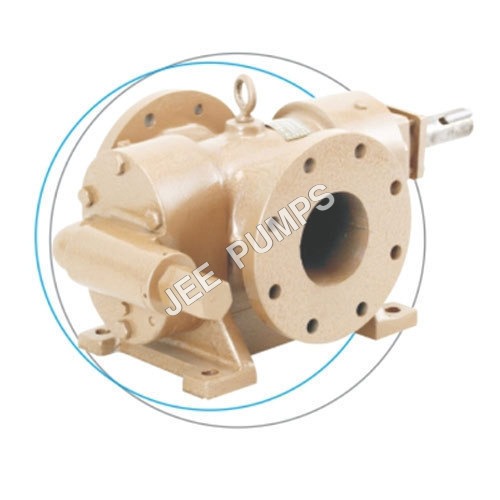
Tell us about your requirement

Price:
Quantity
Select Unit
- 50
- 100
- 200
- 250
- 500
- 1000+
Additional detail
Mobile number
Email

More Products in Industrial Chemical Pumps Category
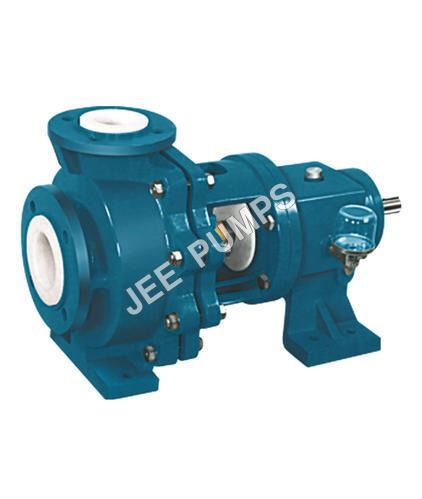
Industrial PVDF Chemical Process Pumps
Price 65000.00 INR / Set
Minimum Order Quantity : 01 Set
Speed : 2900 rpm / 1450 rpm
Suction Type : End Suction
Material : PVDF (Polyvinylidene Fluoride)
Application : Other, Chemical Processing, Acid Transfer, Plating, Effluent Treatment
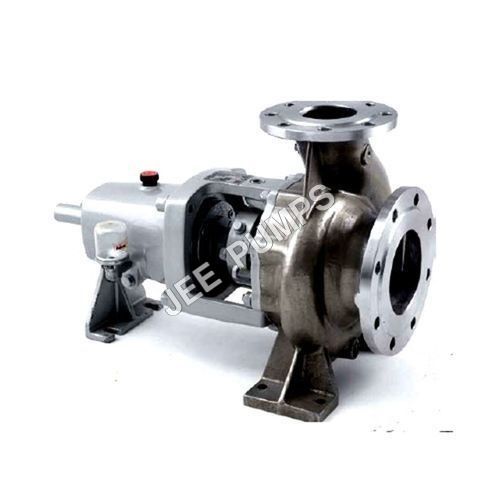
Industrial Horizontal Centrifugal Chemical Process Pump
Price 19500.00 INR / Set
Minimum Order Quantity : 01 Set
Speed : 2900 RPM
Suction Type : Horizontal
Material : Cast Iron / Stainless Steel
Application : Other, Chemical, Petrochemical, Pharmaceuticals, Water Treatment
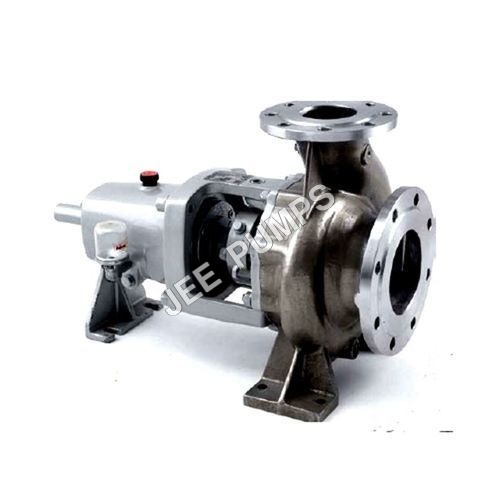
Industrial Chemical Pump
Price 19500.00 INR / Set
Minimum Order Quantity : 01 Set
Speed : 2900 rpm
Suction Type : Horizontal
Material : Polypropylene (PP)
Application : Other, Acid/Alkali Transfer
Industrial Color Pump
Price 19500.00 INR / Set
Minimum Order Quantity : 19500 Sets
Speed : 2800 RPM
Suction Type : Single Suction
Material : Cast Iron / Stainless Steel
Application : Other, Color Coating, Textile, Dyeing Plants, Chemical Industry

"We do not entertain inquiries from resellers."
Contact Us

- Plot No. L-1 & 2, Near Water Tank, G.I.D.C. Estate, Odhav, Ahmedabad - 382415, Gujarat, India
- Phone : 08045813503
JEE PUMPS LIMITED
D&B D-U-N-S Number : 67-639-0351

- Mr Prakash (Director)
- Mobile : 08045813503
- Send Inquiry
- Toll free number :1800-233-8787
 Send Inquiry
 Send Inquiry
 Send SMS
 Call Me Free
JEE PUMPS LIMITED
All Rights Reserved.(Terms of Use)
Developed and Managed by Infocom Network Private Limited.
Developed and Managed by Infocom Network Private Limited.


