 Chat with us
 Download Brochure
  Mon-Sat 9.00 AM to 6.00 PM




 Send Inquiry
JSBFP Series Boiler Feed Pump
Price 22000 INR/ Piece
JSBFP Series Boiler Feed Pump Specification
- Features
- Corrosion Resistant, Robust Design, High Efficiency
- Mounting Type
- Base Plate Mounted
- Frequency
- 50 Hz
- Max Suction
- Up to 3 meters
- Inlet/Outlet
- 1.5 x 1 (40mm x 25mm)
- Control System
- Manual/Automatic
- Discharge Pressure
- up to 180 PSI
- Head Size
- up to 120 m
- Caliber
- 40mm x 25mm
- Speed
- 2900 RPM
- Flow Rate
- up to 14 m³/Hr
- Noise Level
- Low Noise Operation
- Voltage
- 415 V AC, 50 Hz
- Working Temperature
- up to 160°C
- Theory
- Centrifugal Pump
- Material
- Cast Iron / Stainless Steel
- Structure
- Horizontal Multistage
- Power
- 3 HP to 10 HP
- Standard
- ISI / ISO Certified
- Fuel Type
- Electric
- Pressure
- High Pressure
- Usage
- Boiler Feed
- Application
- Industrial, Textile, Chemical, Power Plant, Paper mills
- Suction Type
- End Suction
- Seals Type
- Mechanical Seal
- Priming
- Self-priming (on select models)
- Pump Type
- Boiler Feed Pump
- Capacity
- up to 14 m³/Hr
- Direction of Flow
- Horizontal
- Insulation Class
- Class F
- Cooling Method
- Air Cooled
- Rotation
- Clockwise
- Shaft Material
- Stainless Steel AISI 410
- Impeller Material
- Stainless Steel
- Number of Stages
- 2 to 8
- Min. NPSH Required
- 2.5 m
- Service Life
- Long Service Life
- Bearing Type
- Heavy Duty Ball Bearings
- Protection Class
- IP55
- Ambient Temperature
- up to 50°C
- Painting/Coating
- Anti-corrosive Paint
About JSBFP Series Boiler Feed Pump
Product details
| Capacity | Up to 22 M3/hr |
| Suction | Lift up to 7 Mtr. |
| Material | Cast Iron, Bronze, Steel etc. |
| Discharge Size | 25 mm to 50 mm |
| Temperature | 150 Deg C |
| Speed | Up to 1500 rpm |
| Pressure | Up to 28.8 kg/cm2 |
| Head | Up to 288 Mtr. |
| Model Name/Number | JSBFP Series |
Durable Design with Advanced Protection
Built for longevity, the JSBFP Series Boiler Feed Pump features stainless steel impellers and shafts, heavy-duty ball bearings, and a robust anti-corrosive paint coating. Its IP55 protection class and Class F insulation safeguard the motor against dust, moisture, and high temperatures, ensuring uninterrupted service in demanding industries.
Superior Performance for Industrial Applications
This pump handles challenging requirements with high discharge pressures (up to 180 PSI), flow rates up to 14 m3/hr, and working temperatures up to 160C. Its multistage, horizontal structure suits utility needs in industries such as textiles, chemicals, power plants, and paper mills, ensuring efficient and reliable boiler feed operations.
Easy Operation and Versatile Control
JSBFP pumps are designed for both manual and automatic control, facilitating easy integration into existing systems. Their base-plate mounted construction and end suction design ensure straightforward installation and maintenance, making them suitable for varied industrial environments across India.
FAQ's of JSBFP Series Boiler Feed Pump:
Q: How does the air-cooled system benefit the JSBFP Series Boiler Feed Pump during operation?
A: The air-cooled design efficiently dissipates heat from the pump, minimizing the risk of overheating and enhancing operational stability, especially at high working temperatures up to 160C. This system contributes to the pump's long service life and reliable performance without the complexity of additional water cooling systems.Q: What industries typically use the JSBFP Series Boiler Feed Pump, and why is it suitable for them?
A: Industries such as power plants, textiles, chemicals, paper mills, and various industrial sectors utilize these pumps because of their high pressure capability, robust construction, corrosion resistance, and ability to handle high temperatures. They fulfill critical boiler feed water supply roles where reliability and consistent performance are essential.Q: When should maintenance be performed on these pumps, and what aspects require regular attention?
A: Regular maintenance should be scheduled based on operating hours and site conditions-typically every 6 to 12 months. Key areas to monitor include mechanical seals, bearings, and impeller condition. The anti-corrosive coated surfaces and stainless steel materials reduce major upkeep, but routine checks extend the service life and maintain high efficiency.Q: Where can these boiler feed pumps be installed within an industrial facility?
A: Thanks to their horizontal, base-plate mounted design and compact structure, JSBFP pumps can be installed near boilers, water tanks, or along primary feed pipelines. Their IP55 rating enables placement in various industrial settings, protected against dust and moderate water exposure, both indoors and covered outdoor installations.Q: What is the process for starting and stopping the pump?
A: Before starting, ensure the pump is properly primed (in self-priming models) and valves are set as per installation guidelines. Power the pump via a 415 V AC, 50 Hz source using the control system-manual or automatic. To stop, first close discharge valves gradually, then turn off the power supply to avoid water hammer or system shocks.Q: How does using stainless steel impellers and AISI 410 shafts benefit performance?
A: Stainless steel impellers and shafts significantly enhance corrosion resistance and durability, particularly in challenging industrial water conditions. This construction ensures reliable performance, minimizes downtime due to wear or corrosion, and supports high-pressure applications safely.Q: What key advantages does the JSBFP Series offer over standard single-stage pumps?
A: The multistage design provides higher pressures and heads-all while maintaining efficient operation and lower noise levels. Better performance across a range of flow rates, robust construction, and advanced features like heavy-duty bearings and mechanical seals position this series as a superior solution for demanding boiler feed applications.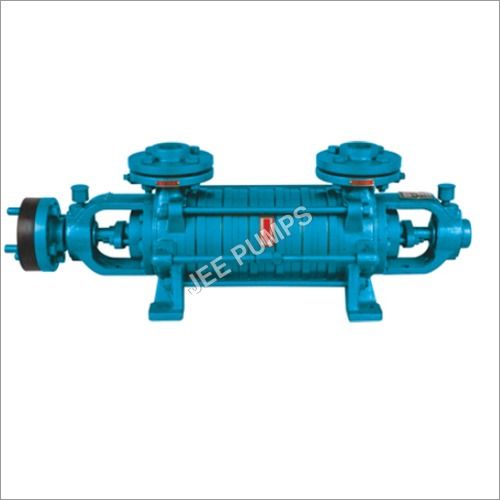
Tell us about your requirement

Price:
Quantity
Select Unit
- 50
- 100
- 200
- 250
- 500
- 1000+
Additional detail
Mobile number
Email

More Products in Industrial Pumps Category
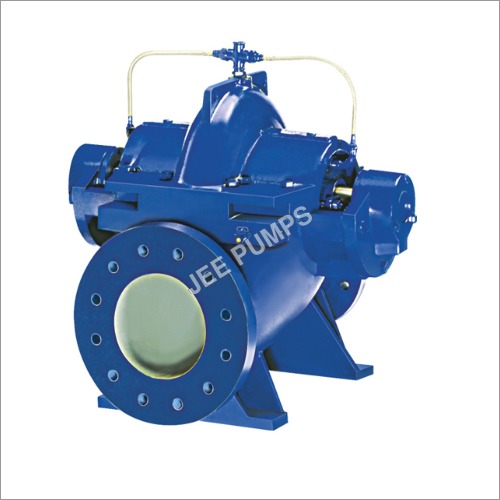
JSCP Series Split Casing Pump
Price 125000 INR / Piece
Minimum Order Quantity : 1 , , Piece
Usage : Other, Liquid Transfer Applications
Material : Cast Iron / Stainless Steel
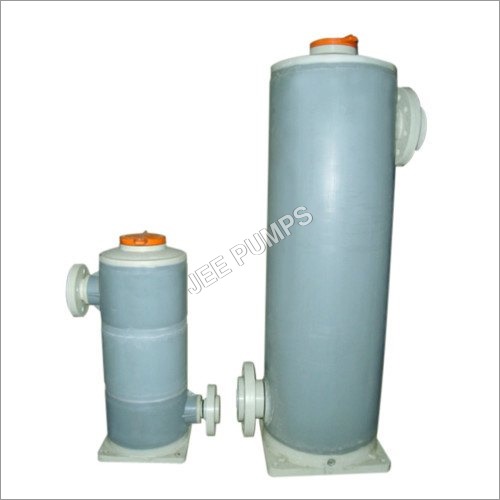
Priming Chamber Centrifugal Process Pumps
Price 12500 INR / Piece
Minimum Order Quantity : 1 Piece
Usage : Chemical process industrial applications, Other
Material : Polypropylene (PP)
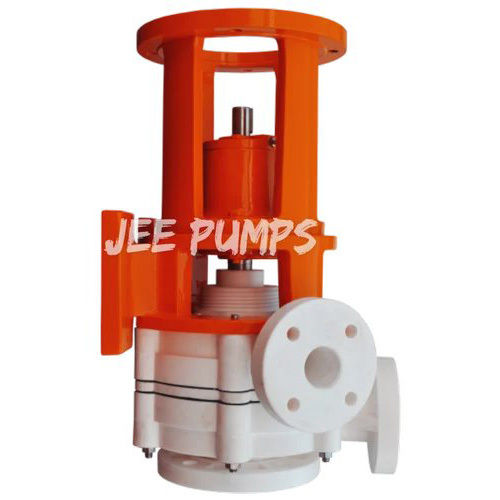
JVPP Series Vertical Gland Less Pump
Price 23250 INR / Piece
Minimum Order Quantity : 1 Piece
Usage : Industrial
Material : PP
Size : Standard
Product Type : JVPP Series Vertical Gland Less Pump
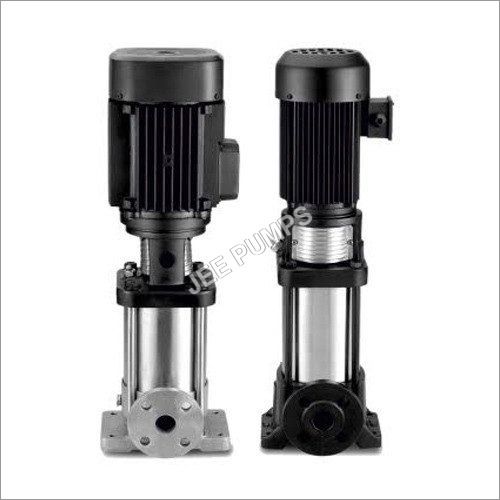
Multi Stage Vertical Inline Pumps
Price 20000 INR / Unit
Minimum Order Quantity : 1 Unit
Usage : Industrial
Material : SS
Size : Standard
Product Type : Multi Stage Vertical Inline Pumps

"We do not entertain inquiries from resellers."
Contact Us

- Plot No. L-1 & 2, Near Water Tank, G.I.D.C. Estate, Odhav, Ahmedabad - 382415, Gujarat, India
- Phone : 08045813503
JEE PUMPS LIMITED
D&B D-U-N-S Number : 67-639-0351

- Mr Prakash (Director)
- Mobile : 08045813503
- Send Inquiry
- Toll free number :1800-233-8787
 Send Inquiry
 Send Inquiry
 Send SMS
 Call Me Free
JEE PUMPS LIMITED
All Rights Reserved.(Terms of Use)
Developed and Managed by Infocom Network Private Limited.
Developed and Managed by Infocom Network Private Limited.


