 Chat with us
 Download Brochure
  Mon-Sat 9.00 AM to 6.00 PM




 Send Inquiry
Petroleum Industry Centrifugal Process Pump
Price 15000.00 INR/ Set
MOQ : 01 Set
Petroleum Industry Centrifugal Process Pump Specification
- Working Temperature
- -20C to +120C
- Discharge Pressure
- Up to 16 bar
- Voltage
- 415 V
- Max Suction
- Up to 5 m
- Caliber
- DN40DN200
- Noise Level
- Less than 80 dB
- Speed
- 1450 / 2900 rpm
- Mounting Type
- Baseplate Mounted
- Control System
- Manual / Automatic / VFD compatible
- Features
- High efficiency, Low maintenance, Robust construction
- Inlet/Outlet
- 50 mm / 40 mm
- Frequency
- 50 Hz / 60 Hz
- Theory
- Centrifugal Pump
- Flow Rate
- Up to 200 m/hr
- Head Size
- Up to 150 m
- Material
- Cast Iron / Stainless Steel / Duplex Steel
- Structure
- Horizontal, Single Stage
- Power
- 1.5 kW 75 kW
- Standard
- API 610 / ISO 5199
- Fuel Type
- Electric
- Pressure
- Max 16 bar
- Usage
- Petroleum Industry, Oil Transfer
- Application
- Oil Refineries, Petrochemical Plants
- Suction Type
- End Suction
- Seals Type
- Mechanical seal / Gland packing
- Priming
- Self-priming / Non-self priming
- Pump Type
- Process Pump
- Capacity
- Up to 200 m/hr
- Installation Position
- Horizontal
- Bearing Type
- Heavy duty anti-friction bearings
- Service Life
- Long service life
- Coupling Type
- Flexible / Rigid
- Protection Class
- IP55 / IP56
- Ambient Temperature
- Up to 50C
- Cooling
- Water / Air cooled options
- Impeller Type
- Closed / Semi-open
- Corrosion Resistance
- High
- Viscosity Handling
- Up to 800 cSt
- Shaft Material
- SS 410 / SS 316
- Paint Finish
- Epoxy coated
Petroleum Industry Centrifugal Process Pump Trade Information
- Minimum Order Quantity
- 01 Set
- Payment Terms
- Cash on Delivery (COD), Cash Advance (CA), Cash in Advance (CID)
- Supply Ability
- 50 Sets Per Month
- Delivery Time
- 1 Days
- Sample Available
- Yes
- Sample Policy
- Contact us for information regarding our sample policy
- Main Export Market(s)
- Asia, South America, Africa
- Main Domestic Market
- All India, South India, Central India, West India, North India, East India, Gujarat, Karnataka, Kerala, Lakshadweep, Mizoram, Meghalaya, Manipur, Andhra Pradesh, Bihar, Chandigarh, Daman and Diu, Goa, Jharkhand, Odisha, Punjab, Assam, Delhi, Dadra and Nagar Haveli, Andaman and Nicobar Islands, Arunachal Pradesh, Chhattisgarh, Haryana, Himachal Pradesh, Jammu and Kashmir, Madhya Pradesh, Maharashtra, Nagaland, Rajasthan, Sikkim, Tamil Nadu, Telangana, Tripura, Pondicherry, Uttar Pradesh, Uttarakhand
About Petroleum Industry Centrifugal Process Pump
Our top grade Petroleum Industry Centrifugal Process Pumps are highly suitable for pumping requirements of the petroleum industry. The seamless finish and glitch free performance of our pumps make them the leading choice of many in the marketplace. Our centrifugal process pumps helps many in transferring fuel with ease, the fuel is pushed with speed to the pipes. The durable service life of our Petroleum Industry Centrifugal Process Pumps have contributed massively to the popularity of our collection. One can rely on the impact tolerant bodies, design accuracy as well as reliable mechanism of our economically priced centrifugal process pumps.
Features
- Our pumps have no defects and showcase continuous efficiency
- Our pumps are offered to all in a variety of designs, sizes and other specifications
- Our pumps have been engineered to perfection in compliance to international standards
- Our pump are quality tested prior to sale
Specification
|
Capacity |
Up to 2200 m3/hr |
|
Temperature |
350 deg C |
|
Speed |
Up to 3500 RPM |
|
Pressure |
Up to 15 kg / cm2 |
|
Head |
Up to 150 Mtr |
|
Discharge Size |
255 mm to 300 mm |
Dependable Design for Demanding Applications
Engineered for the rigorous demands of the petroleum industry, this centrifugal process pump combines high efficiency with long service life. Its robust construction, epoxy coating, and corrosion-resistant materials ensure durability even in challenging environments. With flexible installation and cooling options, the pump adapts seamlessly to unique project requirements.
Versatile Operation and Superior Performance
Featuring end suction, self-priming or non-self-priming options, and advanced sealing methods, the pump is designed to transfer a wide range of petroleum products safely and efficiently. Its heavy-duty bearings and flexible or rigid coupling provide stability at speeds up to 2900 rpm, while its noise level remains under 80 dB for a safer work environment.
FAQs of Petroleum Industry Centrifugal Process Pump:
Q: How does the centrifugal process pump handle high-viscosity fluids in the petroleum industry?
A: The pumps robust design and choice of impeller types allow it to process fluids with viscosities up to 800 cSt efficiently. Its powerful motor and advanced sealing systems make it ideal for transferring various petroleum products, maintaining stable flow rates and minimizing wear.Q: What are the benefits of using a closed or semi-open impeller in these pumps?
A: Closed impellers provide higher efficiency and are suitable for clean liquids, while semi-open impellers handle mildly contaminated or viscous fluids, offering versatility. Both options enhance performance, making the pump adaptable for different petroleum industry applications.Q: When is it recommended to use water cooled versus air cooled systems for the pump?
A: Water-cooled systems are ideal for higher temperature operations or when ambient temperatures approach the upper limit (up to 50C), as they effectively dissipate heat. Air-cooled systems suit moderate conditions, reducing complexity and maintenance for installations with lower heat loads.Q: Where can this process pump be installed within petroleum industry facilities?
A: The pumps horizontal, baseplate-mounted structure, along with its IP55/IP56 protection class, enables easy installation in oil refineries, petrochemical plants, and other industrial settings. Its corrosion resistance and flexible inlet/outlet configurations facilitate placement according to site-specific needs.Q: What is the typical service life and maintenance requirement for this centrifugal pump?
A: Thanks to its heavy-duty anti-friction bearings, advanced shaft materials (SS 410/SS 316), and robust build, the pump offers a long service life with reduced maintenance. Regular checks on seals and bearings are generally sufficient to ensure reliable operation over many years.Q: How can operators control and monitor this pumps operation?
A: The pump is compatible with manual, automatic, and VFD control systems, allowing precise adjustment of speed and output. This flexibility helps optimize performance for varying process demands, reduce energy consumption, and enhance system reliability.
Tell us about your requirement

Price:
Quantity
Select Unit
- 50
- 100
- 200
- 250
- 500
- 1000+
Additional detail
Mobile number
Email

More Products in Self Priming Mud/Sewage Pumps Category
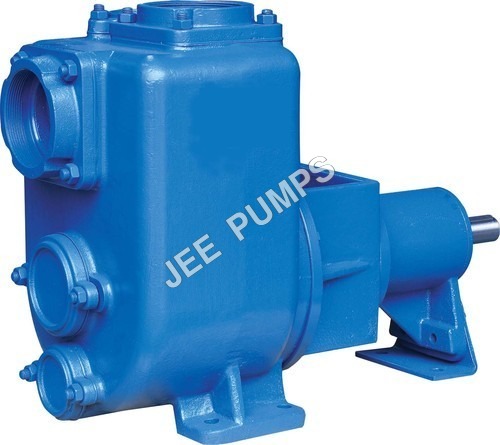
Industrial Self Priming Mud Pum
Price 24500.00 INR / Set
Minimum Order Quantity : 01 Set
Inlet/Outlet : 40 mm / 40 mm
Material : Cast Iron
Control System : Manual / Automatic
Mounting Type : Horizontal
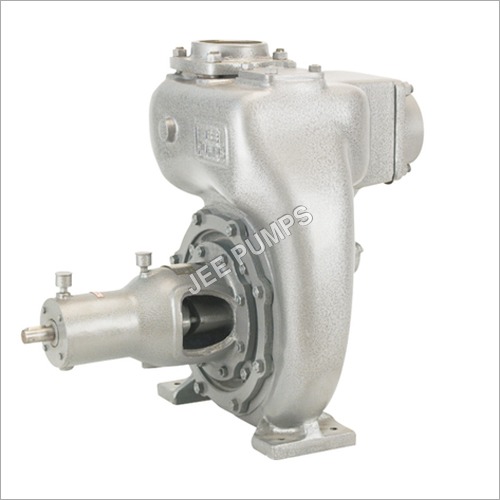
Industrial Mud Pump
Price 20000 INR / Set
Minimum Order Quantity : 01 Set
Inlet/Outlet : 100 mm / 100 mm
Material : Cast Iron
Control System : Manual / Automatic
Mounting Type : Base Mounted
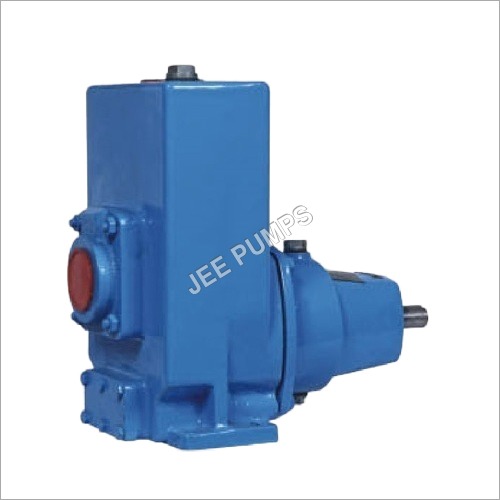
Industrial Suction Pump
Price 20000.00 INR / Set
Minimum Order Quantity : 01 Set
Inlet/Outlet : 2 inch / 2 inch
Material : Cast Iron / Stainless Steel
Control System : Manual/Automatic
Mounting Type : Base Mounted
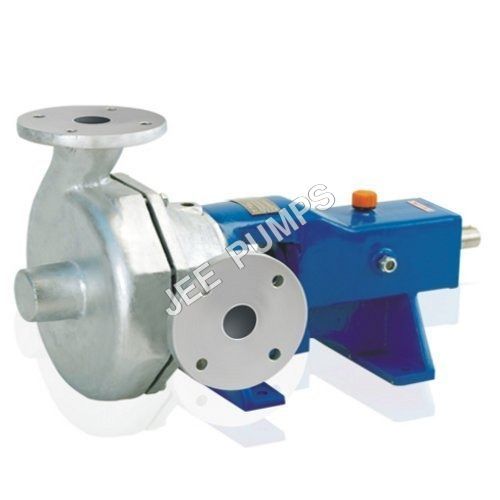
Industrial Effluent Transfer Pump
Price 6500.00 INR / Set
Minimum Order Quantity : 01 Set
Inlet/Outlet : 2 x 2
Material : Cast Iron / Stainless Steel
Control System : Manual / Automatic
Mounting Type : Base Mounted

"We do not entertain inquiries from resellers."
Contact Us

- Plot No. L-1 & 2, Near Water Tank, G.I.D.C. Estate, Odhav, Ahmedabad - 382415, Gujarat, India
- Phone : 08045813503
JEE PUMPS LIMITED
D&B D-U-N-S Number : 67-639-0351

- Mr Prakash (Director)
- Mobile : 08045813503
- Send Inquiry
- Toll free number :1800-233-8787
 Send Inquiry
 Send Inquiry
 Send SMS
 Call Me Free
JEE PUMPS LIMITED
All Rights Reserved.(Terms of Use)
Developed and Managed by Infocom Network Private Limited.
Developed and Managed by Infocom Network Private Limited.


