 Chat with us
 Download Brochure
  Mon-Sat 9.00 AM to 6.00 PM




 Send Inquiry
Industrial JPP Series Polypropylene Pumps
Price 22000 INR/ Piece
MOQ : 1 , , Piece
Industrial JPP Series Polypropylene Pumps Specification
- Working Temperature
- Upto 80C
- Caliber
- 25 to 65 mm
- Fuel Tank Capacity
- N/A (Electric Operated)
- Inlet/Outlet
- 1 to 2.5 (BSP/NPT Threaded Ends or Flange)
- Features
- Corrosion Resistant, Leak-Proof Design, Lightweight, Easy Maintenance
- Mounting Type
- Base Plate Mounted
- Voltage
- 220-415V
- Frequency
- 50/60 Hz
- Speed
- Up to 2900 rpm
- Discharge Pressure
- Upto 2.8 bar
- Flow Rate
- Upto 28 m3/hr
- Max Suction
- Up to 3.5 Meter
- Theory
- Centrifugal Pump
- Noise Level
- Low
- Control System
- Manual/Automatic
- Head Size
- Upto 28 Meter
- Material
- Polypropylene (PP)
- Structure
- Single Stage or Multi Stage
- Power
- 0.5 HP to 5 HP
- Standard
- ISO 9001:2015 Certified
- Fuel Type
- Electric
- Pressure
- Up to 2.8 kg/cm2
- Usage
- Industrial, Chemical, Wastewater, Effluent Transfer
- Application
- Chemical Process, Acid Transfer, Industrial Liquids Handling
- Suction Type
- Self Priming / Non-Self Priming
- Seals Type
- Mechanical Seal / Gland Packing
- Priming
- Self or Manually primed
- Pump Type
- JPP Series Polypropylene Pump
- Capacity
- Upto 28 m3/hr
- Design Type
- Non-Metallic Pump
- Max Solid Size
- 5 mm
- Max Liquid Density
- 1.3 g/cm3
- Color
- Standard Grey / White
- Seal Material
- PTFE / Viton / Ceramic
- Cooling Method
- Air Cooled
- Impeller Type
- Closed or Semi-Open
- Motor Protection
- IP55
- Installation
- Floor Mounted
- Shaft Material
- SS-304 / SS-316 Encapsulated
- Maintenance
- Low Maintenance
Industrial JPP Series Polypropylene Pumps Trade Information
- Minimum Order Quantity
- 1 , , Piece
- Supply Ability
- 1 , , Piece Per Day
- Delivery Time
- 1 Days
About Industrial JPP Series Polypropylene Pumps
Specification
| Capacity | Up to 50 m3/hr |
| Discharge Size | 25 mm to 50 mm |
| Material Of Construction | PP, UHMWPE |
| Pressure | Up to 4.5 kg/cm2 |
| Speed | Up to 3500 rpm |
| Temperature | 80 Deg C |
| Head | Up to 45 mtr |
Robust Chemical Compatibility
Constructed from high-quality polypropylene, the JPP Series pumps offer strong resistance against various chemicals and corrosive liquids. Their non-metallic design and encapsulated SS-304/SS-316 shaft make them suitable for challenging environments where traditional pumps may not endure, extending their service life and reliability.
Flexible Impeller and Seal Choices
With closed or semi-open impeller types and mechanical seal or gland packing options (PTFE/Viton/Ceramic), users can tailor the JPP Series pumps to specific operational demands. This flexibility ensures excellent performance across diverse industrial applications, from acid transfer to wastewater treatment.
Efficient, Low-Maintenance Operation
Floor-mounted and base plate-installed, these electric pumps feature air-cooled motors with IP55 protection, supporting continuous operation with minimal downtime. Self-priming and non-self-priming variants simplify installation, while low maintenance requirements reduce overall lifecycle costs for users.
FAQs of Industrial JPP Series Polypropylene Pumps:
Q: How do the JPP Series Polypropylene Pumps ensure corrosion resistance in harsh chemical environments?
A: The pumps are made from polypropylene, a robust non-metallic material known for its resistance to a wide range of chemicals and corrosive liquids. The optional PTFE, Viton, or Ceramic seals further enhance protection, making these pumps suitable for acid, chemical, and effluent transfer.Q: What are the main advantages of using a closed or semi-open impeller in the JPP Series pumps?
A: A closed impeller offers high efficiency and is ideal for clean liquids, while a semi-open design handles liquids with suspended solids up to 5 mm, preventing clogging. This versatility allows users to select the appropriate model for their specific fluid and application requirements.Q: When should I opt for self-priming versus non-self-priming models?
A: Choose a self-priming pump when the application requires suction lift, such as drawing liquid from below the pump level or when the pump is not flooded. Non-self-priming versions are recommended for flooded suction installations, where the liquid supply is at or above pump level.Q: Where can the JPP Series Polypropylene Pump be installed in industrial settings?
A: The pump is designed for floor mounting on a base plate, making it suitable for factories, processing plants, wastewater treatment facilities, and chemical transfer stations. Its simple installation and compact footprint enable flexible placement within diverse industrial environments.Q: What maintenance practices help ensure long service life of the JPP Series pumps?
A: These pumps are engineered for easy maintenance with quick-access designs and corrosion-resistant materials. Routine inspections, timely seal checks, and periodic cleaning of the impeller and casing help ensure optimal performance while minimizing downtime and maintenance costs.Q: How does the IP55 motor protection contribute to safe and reliable pump operation?
A: IP55 motor protection guards against dust ingress and low-pressure water jets, making the electric motor suitable for challenging industrial conditions. This ensures safe, continuous operation, especially in moist or dusty atmospheres common in chemical and wastewater plants.Q: What process and industries benefit most from using the JPP Series Polypropylene Pumps?
A: Industries such as chemical processing, pharmaceuticals, wastewater treatment, and acid transfer benefit from these pumps due to their corrosion-resistant design, leak-proof construction, and ability to handle a variety of aggressive or contaminated liquids with ease.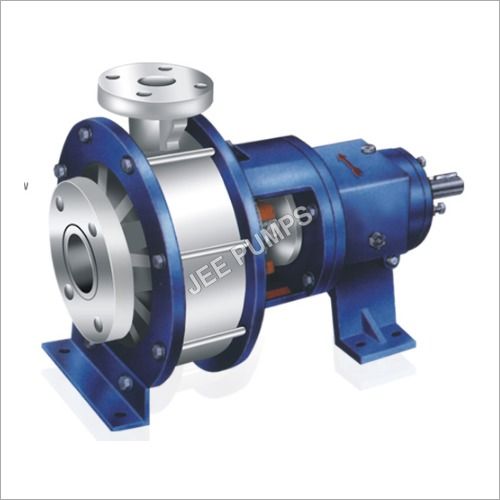
Tell us about your requirement

Price:
Quantity
Select Unit
- 50
- 100
- 200
- 250
- 500
- 1000+
Additional detail
Mobile number
Email

More Products in Industrial Polypropylene Pumps Category
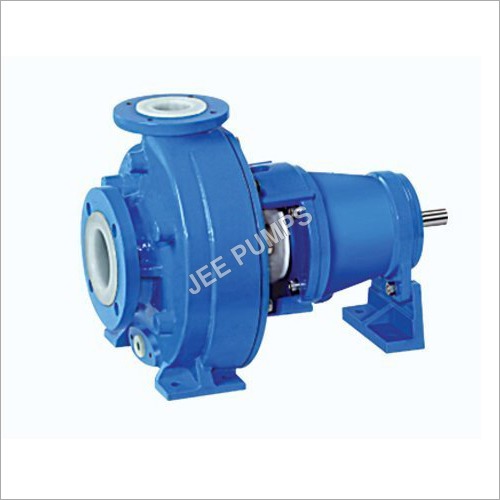
Industrial Centrifugal PP Pump
Price 10000 INR / Piece
Minimum Order Quantity : 1 , , Piece
Suction Type : Single Suction
Pressure : Other, Up to 3.5 kg/cm
Flow Rate : 2.5 m/hr 75 m/hr
Max Suction : Up to 3 m
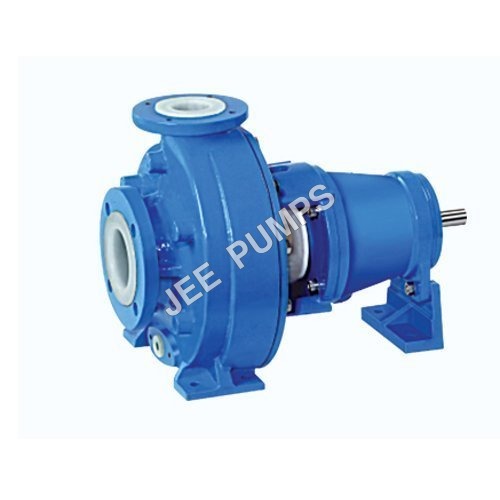
Industrial Acid Handling Pump
Price 45000.00 INR / Set
Minimum Order Quantity : 01 Set
Suction Type : Horizontal
Pressure : Other, 2.0 bar
Flow Rate : 3 m/h
Max Suction : 5 meters
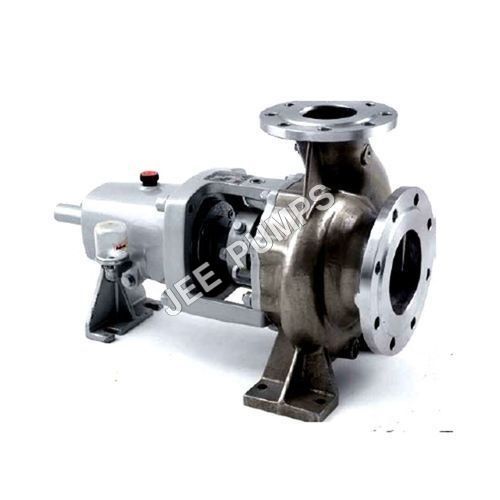
Industrial Chemical Industries Pump
Price 19500.00 INR / Set
Minimum Order Quantity : 01 Set
Suction Type : Single Stage
Pressure : Other, Up to 6 bar
Flow Rate : Up to 200 m/h
Max Suction : 6 to 8 meters
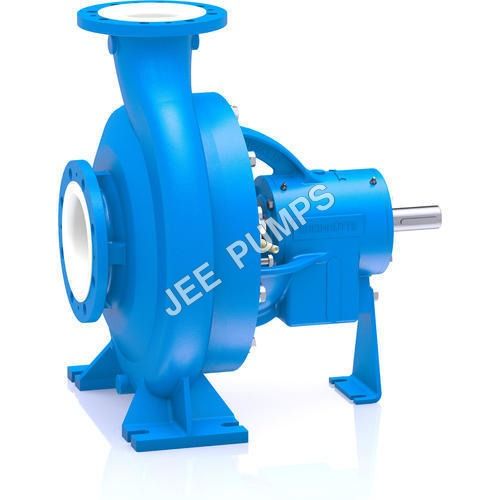
Industrial Polypropylene Centrifugal Pump
Price 12100.00 INR / Set
Minimum Order Quantity : 01 Set
Suction Type : Single Suction
Pressure : Other, Standard Atmospheric
Flow Rate : 8 m/h
Max Suction : 5 meter

"We do not entertain inquiries from resellers."
Contact Us

- Plot No. L-1 & 2, Near Water Tank, G.I.D.C. Estate, Odhav, Ahmedabad - 382415, Gujarat, India
- Phone : 08045813503
JEE PUMPS LIMITED
D&B D-U-N-S Number : 67-639-0351

- Mr Prakash (Director)
- Mobile : 08045813503
- Send Inquiry
- Toll free number :1800-233-8787
 Send Inquiry
 Send Inquiry
 Send SMS
 Call Me Free
JEE PUMPS LIMITED
All Rights Reserved.(Terms of Use)
Developed and Managed by Infocom Network Private Limited.
Developed and Managed by Infocom Network Private Limited.


